Taco Seasoning Recipe: A Smoky Homemade Spice Blend Ready in 5 Minutes
Store bought taco seasoning packets are mostly salt and anti caking agent, and running out mid recipe means a trip to the store. Making it yourself solves both, but only if you get one detail right that most recipes skip. Chili powder, cumin, and garlic powder alone will flavor the meat fine. What they won’t do is thicken the pan drippings into the clingy, glossy sauce that coats every piece of ground beef in a packet seasoned taco. That texture comes from cornstarch, missing from almost every homemade version online. This recipe puts it back, at a ratio that thickens without turning the meat gluey. It’s a five minute pantry blend: measure, whisk, taste for heat, done, and it scales into a jar that keeps taco night stocked for months.
Why You’ll Love This Taco Seasoning
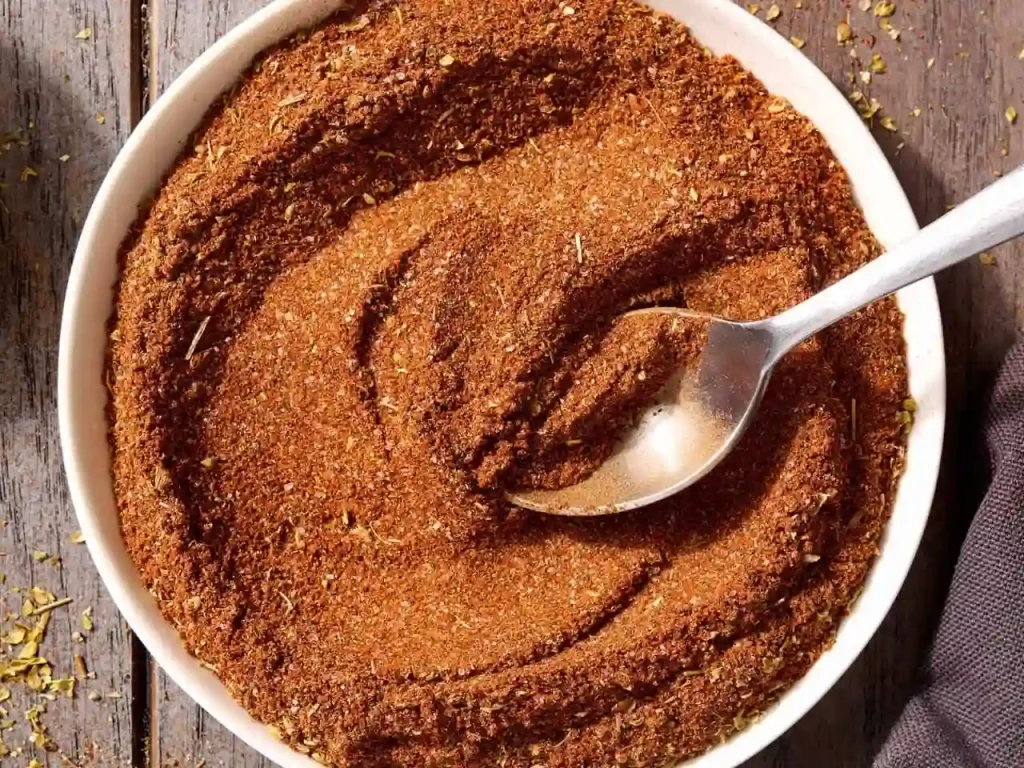
- Tastes like the packet, minus the fillers. No maltodextrin, no silicon dioxide, no unlisted spices. You control every ingredient down to the salt.
- Thickens the pan sauce properly. The cornstarch does the same job as the store bought packet, turning plain water and drippings into a sauce that clings to the meat instead of pooling.
- Scales without any math. The ratios hold whether you’re seasoning half a pound of chicken or quadrupling the batch.
- Ready before the pan heats up. Five minutes from pantry to jar, faster than reading a packet’s ingredient list.
- One blend, three proteins. Ground beef, shredded chicken, and black beans all take the same mix without adjustment beyond salt to taste.
Quick Information
Prep Time: 5 minutes. Cook Time: 0 minutes. Total Time: 5 minutes. Servings: about 6 tablespoons, enough for 2 pounds of ground beef (8 servings). Difficulty: Easy. Calories: 15 per tablespoon. The ingredient that decides the outcome is the cornstarch and how it’s added to the pan. Best use: weeknight tacos or any Tex-Mex dish needing a quick taco seasoning base.
Nutrition Information
| Nutrient | Amount Per Serving |
| Serving Size | 1 tablespoon (8 g) |
| Servings Per Recipe | 6 |
| Calories | 15 |
| Protein | 1 g |
| Carbohydrates | 3 g |
| Fat | 0.5 g |
| Fiber | 1 g |
| Sugar | 0 g |
| Sodium | 340 mg |
Most of this taco seasoning’s calories come from the chili powder and cumin, both of which carry a small amount of natural oil, part of why they clump near the stove. The sodium comes entirely from added salt, so cutting it in half changes only the saltiness, not the flavor balance. Values are estimates that vary with brands and measuring.
Taco Seasoning Ingredients
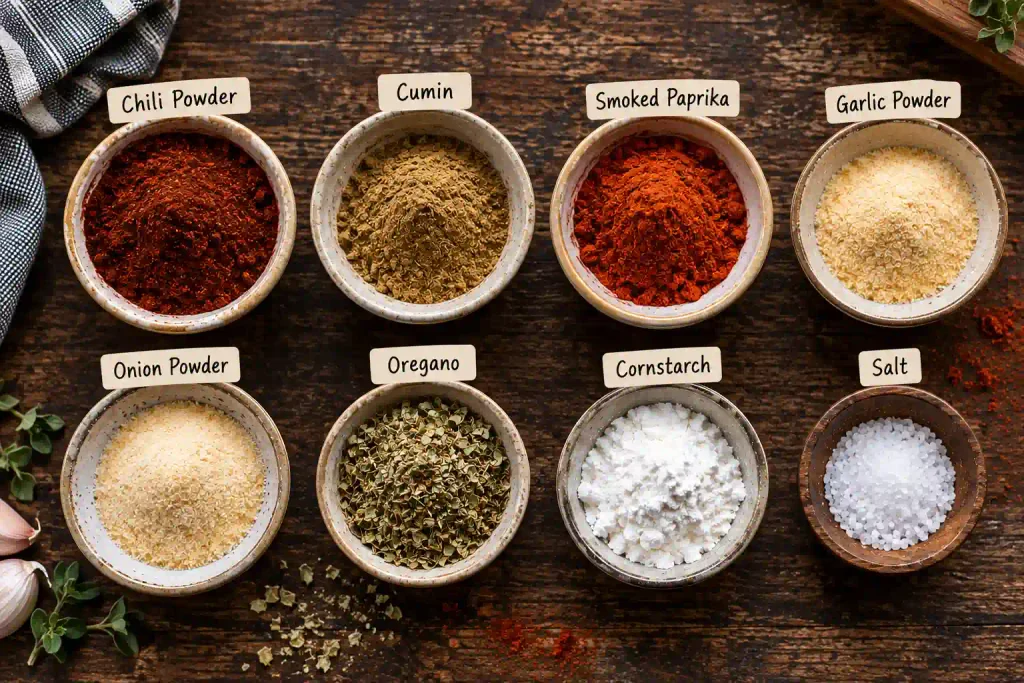
Chili powder is the base flavor and color, built from dried chiles rather than pure heat. Ground cumin brings the earthy backbone most people associate with taco flavor. Smoked paprika adds a campfire note plain paprika can’t match. Garlic and onion powder round out the savory base without the moisture fresh versions add. Dried oregano, Mexican oregano if you have it, brings a citrusy edge. Cayenne controls the heat and is the first thing to adjust for a milder or spicier batch. Fine sea salt carries most of the saltiness, since the other ingredients contribute flavor rather than salt. Black pepper adds background sharpness. Cornstarch thickens pan liquid into a clinging sauce once heat hits it, the ingredient most homemade recipes skip entirely.
Allergen and Dietary Disclosure
As written this taco seasoning contains no dairy, eggs, tree nuts, peanuts, soy, fish, or shellfish. The only ingredient worth flagging is cornstarch, naturally gluten free but sometimes processed alongside wheat starch, so check the label if a severe allergy is involved. Dietary labels that apply: halal, vegetarian, vegan, gluten free (verify your cornstarch brand), dairy free, egg free, nut free. Arrowroot powder swaps in for the cornstarch at the same measurement, though it thickens faster, so add water slower. The real hidden risk isn’t the seasoning, it’s the tortillas and pre shredded cheese alongside it, common sources of unlisted wheat and milk.
Equipment Needed
- Small mixing bowl. Wide enough that a whisk moves through the spices without pushing half of them over the rim.
- Whisk or fork. Cumin and cornstarch clump on contact with the oils in chili powder, and a whisk breaks that up faster than a spoon.
- Measuring spoons. This recipe lives or dies on ratio, not eyeballing, especially the salt and cayenne.
- Small dry skillet. Only needed for blooming the spices, meaning toasting them briefly in dry heat to wake their oils. Cast iron holds heat better than nonstick, so nothing scorches in one spot.
- Airtight jar. A 4 ounce jar with a tight lid keeps humidity out, the main reason store bought blends outlast homemade ones.
Prep Before You Mix
Pull every spice jar out before measuring this taco seasoning. Ten measurements packed into five minutes means hunting for the paprika while the cumin sits open turns a tablespoon into a teaspoon. If blooming, get the skillet dry and empty, no oil, since oil turns a toast into a fry. Level every spoon with a knife back. Chili powder compresses in the jar, so a heaping tablespoon can run 30 percent over what’s needed.
How to Make Taco Seasoning Step by Step
Step 1. Toast the ground spices
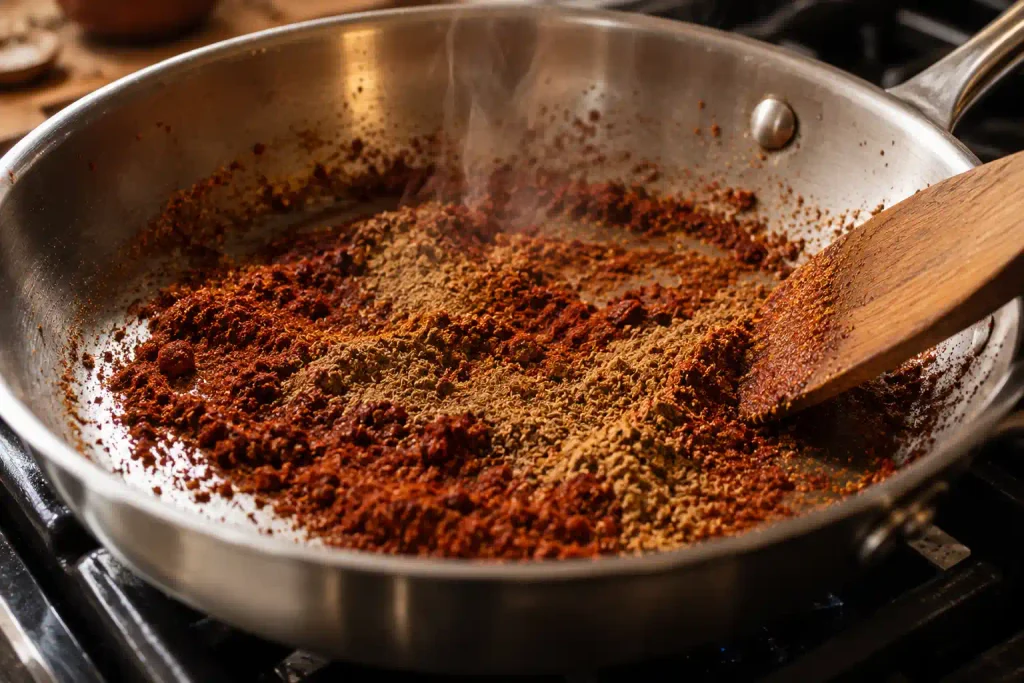
This step is optional but worth the ninety seconds it costs. Set an empty dry skillet over medium low heat and add the chili powder, cumin, and paprika, skipping the salt and cornstarch. Move them constantly. Within 30 to 45 seconds the color deepens toward rust, and the smell shifts from dusty to toasted. Pull the pan off heat the moment that smell changes, since the next thirty seconds is where it turns bitter.
Chef’s Note: If you smell anything sharp or acrid, you’ve gone too far. Dump that batch rather than trying to mask scorched chili powder with more of everything else. Burnt flavor doesn’t dilute, it spreads.
Step 2. Whisk the rest in
Scrape the toasted spices into a bowl, or start here if you skipped toasting. Add garlic powder, onion powder, oregano, cayenne, salt, and black pepper, then whisk a full 20 seconds. Cumin clumps against the bowl’s sides, and a short stir leaves streaks undispersed, so the first taco gets a spoonful of straight cumin and the last one gets almost none.
Step 3. Add the cornstarch last
Whisk in the cornstarch only after everything else is evenly combined. It’s finer than the other spices, and going in first means it coats the bowl unevenly.
Chef’s Note: This is the ingredient store bought packets never leave out and most homemade recipes do. Without it, taco meat looks fine in the pan but turns watery the second liquid hits it, since nothing holds the water against the meat. With it, that same water tightens into a sauce inside about three minutes.
Step 4. Taste it, then adjust
Wet one finger, dip it into the taco seasoning, and taste it directly. It should read salty first, warm second, cumin sitting underneath rather than on top. If the heat feels sharp, dial back the cayenne next batch, not the chili powder, which carries flavor more than heat.
Step 5. Use it or jar it
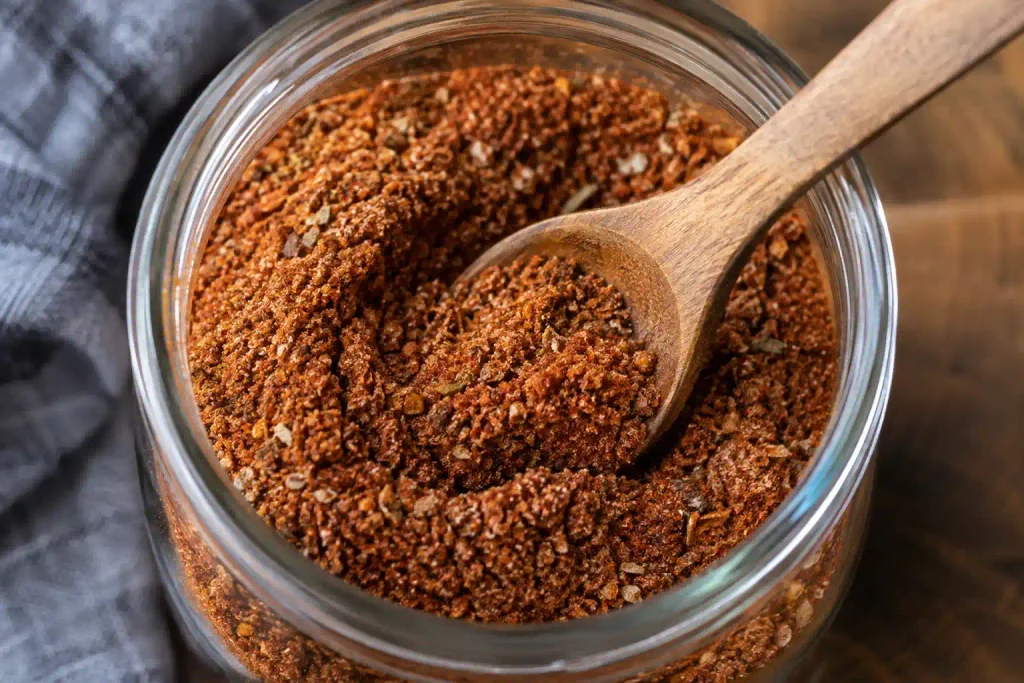
For immediate tacos, brown 1 pound of ground beef, drain most of the fat, then add the blend with 2/3 cup (160 ml) water. Simmer uncovered 3 to 4 minutes, stirring occasionally. The water reduces and the cornstarch tightens it into a glossy coating that clings to the meat instead of pooling, the texture the packet mix produces. For later use, skip the water and jar the dry blend.
Chef’s Note: If the sauce still looks thin after 4 minutes, it needs more heat exposure, not more cornstarch. It thickens through heat, and a gentle simmer will leave it underperforming no matter how much you add.
Expert Tips and Tricks
Measure the cayenne last, always. It’s the easiest to overshoot, and there’s no fixing an over spiced batch except diluting it into a fresh double batch.
Double or triple the dry blend and skip the pan step, since toasting doesn’t scale cleanly with more skillet volume. Keep a big jar untoasted and bloom it per use.
Store this taco seasoning away from the stove, not above it. Heat rising off a stovetop pulls moisture right where a spice jar usually lives, and that moisture turns fine powder into a solid brick over a few months.
The cornstarch only works with a real simmer, not a quick warm, and salt the meat separately for picky eaters. Cutting the salt by half and letting people salt their own plate solves more arguments than any ratio will.
Taste test the blend again a week later. Your sense of the right heat shifts once you’ve eaten tacos made with it, and most people dial the cayenne down next time.
Common Mistakes and Troubleshooting
| Problem | Cause | Solution |
| Seasoning tastes burnt or bitter | Chili powder or paprika sat in the pan too long, past where the smell turned from toasted to sharp | Pull spices off heat the second the smell changes. A scorched batch can’t be fixed, only diluted into a fresh batch |
| Taco meat stays watery after adding the seasoning | The cornstarch was skipped, or the pan never got hot enough to activate it | Whisk cornstarch into the dry mix before storing, then make sure the pan holds a real simmer for the full 3 to 4 minutes |
| The taco seasoning clumps into a solid mass in the jar | Humidity got into the jar, usually because the lid went back on while the mix was still warm from toasting | Let spices cool completely before jarring and store somewhere dry |
| Tacos taste salty on the first bite and flat by the last | Salt settled unevenly because it wasn’t whisked long enough | Whisk a full 20 seconds after adding salt and taste from a few spots before using |
| Seasoning tastes like cumin and nothing else | Cumin was added first and clumped against the bowl before the lighter spices joined | Add cumin partway through and whisk it in fully before the finer ingredients go in |
The scorched batch is the one nobody catches in time. Chili powder and paprika carry natural sugars that caramelize fast, and the window between toasted and burnt runs closer to fifteen seconds than a full minute. By the time the smell turns sharp, the damage is already in the powder. There’s no rescuing that with more garlic powder or salt.
Storage Instructions
Room Temperature
An airtight jar in the pantry, away from the stove and light, holds this taco seasoning at full flavor for about 6 months. It stays usable past a year, but the paprika’s color and cayenne’s heat fade first, so a jar open 10 months tastes milder than a fresh batch.
Make Ahead
This blend is built to be made ahead. Quadruple the dry ingredients, leave toasting as a per use step, and you’ll have enough for eight pounds of ground beef in one jar. Label it with the date, since “smells fine” isn’t a reliable test for potency lost slowly.
Variations and Substitutions
Spicy. Double the cayenne and add 1/4 teaspoon chipotle powder. The trade off: smoky heat competes with the cumin, so trim the cumin by a quarter teaspoon.
Mild or kid friendly. Drop the cayenne and halve the black pepper. What you lose is slow warmth at the back of the throat, a fair trade for kids.
Vegetarian or vegan. This taco seasoning never contained meat, so no change is needed. It works the same on sautéed mushrooms, black beans, or crumbled tofu, though those need a splash more water since they don’t release their own liquid.
Gluten free. Confirm the cornstarch brand is labeled gluten free, since cross contamination varies by manufacturer. Everything else is naturally free of gluten.
Other taco seasoning swaps: ancho chili powder trades heat for a deeper, raisin like sweetness. Smoked paprika can go regular, though you’ll lose the campfire note.
Serving Suggestions
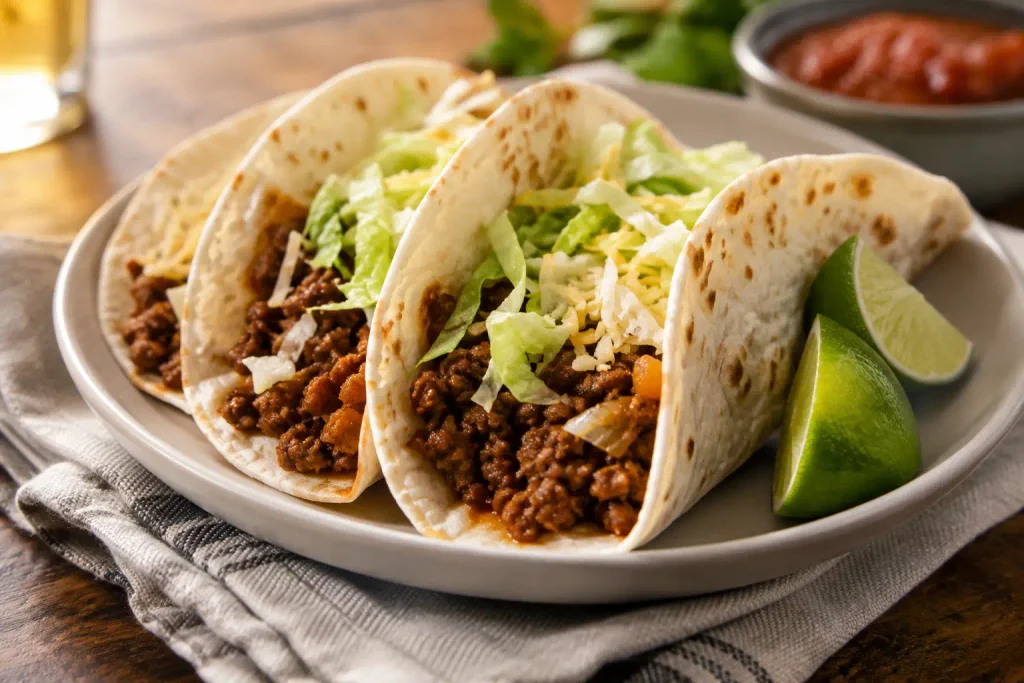
Ground beef or chicken tacos are the obvious use, but this taco seasoning earns its keep past taco night. Stir a tablespoon into sour cream for a crema that cuts through anything fried. homemade taco soup uses the same blend as its entire flavor base, just with more liquid and beans.
Toss it with olive oil and roasted sweet potato wedges, where the sugar balances the salt better than it does with meat. For a full spread, pair seasoned beef with cilantro lime rice and charred corn, since a squeeze of lime cuts the richness the cornstarch adds.
If you’re seasoning chicken instead of beef, cut the water to 1/3 cup. Chicken releases less fat than beef, so the sauce reduces and thickens faster with less liquid to start.
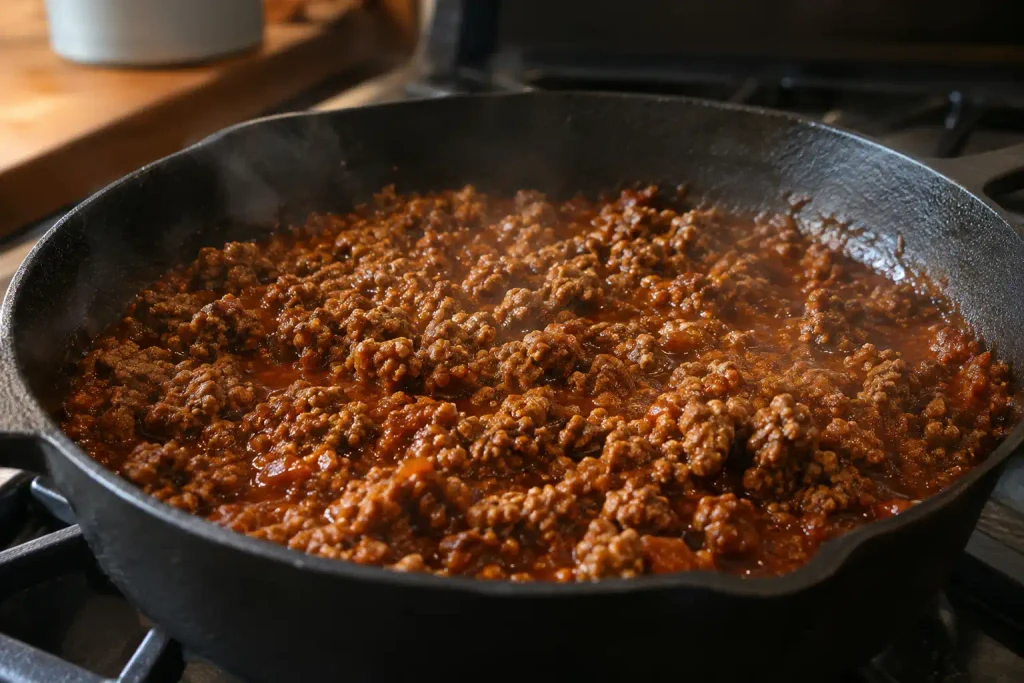
A jar of this blend makes a better gift than it sounds. Fill a 4 ounce jar, tape a card with the water and simmer instructions from Step 5 to the lid, and it’s a full recipe rather than just a spice jar.
Frequently Asked Questions
Why does my homemade taco seasoning taste bland compared to store bought?
Packet mixes lean harder on salt than most homemade versions do, and they include a starch that thickens the pan sauce, which reads as more flavor though it’s mostly texture. Taste your blend dry first. If the salt seems right but the dish still feels thin once cooked with meat, the fix is almost always the cornstarch and a real simmer, not more chili powder.
Can I make taco seasoning ahead and store it for later?
This recipe is built for making ahead. A quadrupled batch keeps in an airtight jar for about 6 months at full strength, stored in a cool, dry spot away from the stove. Skip pre measuring the water or the blooming step when making ahead, since those only apply at cook time. Freezing isn’t necessary, since the dry mix doesn’t lose quality in the freezer any faster than it does on a shelf, so save that space for something else.
What can I use instead of chili powder in taco seasoning?
Ancho chili powder is the closest swap, giving up some heat for a deeper, sweet flavor. In a pinch, paprika plus a little cayenne gets close, though it won’t carry the earthy base dedicated chili powder brings from the peppers it’s ground from. Pure ancho skews sweeter and less bitter than a generic chili powder blend, which usually already includes cumin and garlic, so taste before adding extra of either.
How long should taco meat simmer once the taco seasoning goes in?
Three to four minutes at a real simmer, not a gentle warm. That’s how long the cornstarch needs to fully activate and tighten the water into a sauce that clings to the meat. Pulling the pan off heat earlier leaves you with seasoned but watery meat. Fattier beef needs closer to four minutes, since the extra grease slows how fast the liquid reduces, while lean ground turkey or chicken usually finishes closer to three.
Is taco seasoning supposed to be spicy, or is something off with mine?
As written, this blend sits at a mild to moderate warmth from the cayenne and black pepper, closer to background heat than anything that sends you reaching for water. If yours came out sharper, the cayenne measurement is the usual culprit, easy to round up without noticing. A rounded half teaspoon instead of a level one can nearly double the effective heat in a batch this small, since nothing else in the mix dilutes it.
Conclusion
The cornstarch is the one thing worth remembering here. Skip it and you’ve made a good spice blend that still leaves you with watery taco meat, the exact problem that sends people back to the packet aisle. Include it, give the pan a real simmer, and the texture closes the gap between homemade and store bought. Taco seasoning made this way keeps for months, costs a fraction of the packet price per batch, and turns a five minute pantry task into something you never buy again. Pin this recipe now so the ratio is one search away the next time the jar runs low.
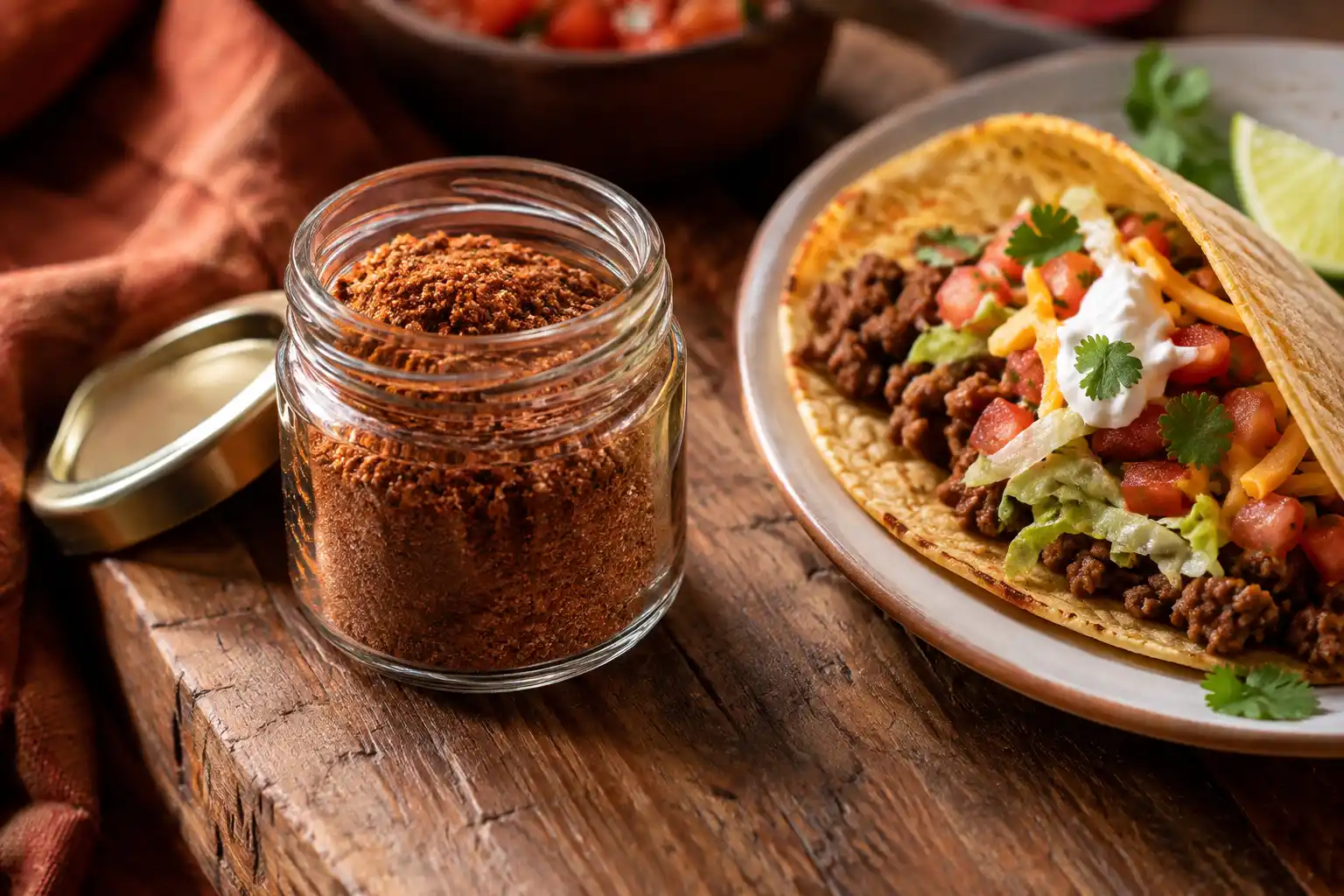
Homemade Taco Seasoning
Ingredients
Method
- Toast chili powder, cumin, and paprika in a dry skillet over medium low heat, 30 to 45 seconds, stirring constantly.
- Transfer to a bowl and whisk in garlic powder, onion powder, oregano, cayenne, salt, and black pepper for 20 seconds.
- Whisk in cornstarch last, once everything else is evenly combined.
- Taste a pinch dry and adjust cayenne before storing or using.
- For immediate use, add to 1 lb browned ground beef with 2/3 cup water and simmer 3 to 4 minutes until thickened.